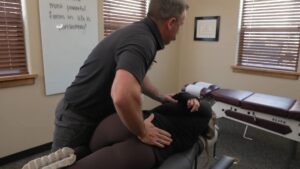


Back pain during pregnancy is extremely common – estimates suggest more than half of pregnant women experience it at some point – but common doesn’t mean unavoidable or untreatable. Chiropractic care is safe throughout pregnancy when performed by an experienced provider, and it’s one of the most effective drug-free options available for the back pain, pelvic pain, and postural changes that develop as the body adapts to carrying a growing baby. Dr. Ridgway has treated pregnant patients throughout his career and understands how to adapt care appropriately at each stage.
Why Pregnancy Causes Back Pain
The back pain that develops during pregnancy has several overlapping causes, and understanding them helps explain why chiropractic care addresses them so effectively.
The most obvious driver is the shift in center of gravity as the belly grows. The lumbar spine progressively increases its inward curve – the lordosis – to compensate for the forward weight of the uterus. That increased lumbar lordosis compresses the posterior facet joints and increases the load on the lower back musculature. The farther into the pregnancy, the more pronounced this becomes.
Simultaneously, the hormone relaxin – produced throughout pregnancy to prepare the pelvis for delivery – loosens the ligaments throughout the body, not just the pelvis. While that’s necessary for childbirth, it also means the joints of the pelvis, SI joint, and lumbar spine have less passive ligamentous support than usual. The muscles have to work harder to compensate for that reduced stability, which leads to fatigue, tension, and pain.
Sacroiliac joint pain is one of the most common presentations in pregnancy specifically because of relaxin’s effect on the SI ligaments. The SI joint becomes hypermobile and poorly supported, producing sharp or deep buttock and low back pain that’s often worse with single-leg activities like walking up stairs, rolling over in bed, or getting in and out of a car.
Conditions We Treat During Pregnancy
Low Back Pain
The lumbar compression pattern that comes with increased lordosis responds well to chiropractic adjustments that restore normal joint mobility and reduce the protective muscle guarding that develops around overloaded spinal segments. Gentle, pregnancy-appropriate positioning and technique adaptations make adjustments comfortable at every stage. Low back pain during pregnancy doesn’t have to be accepted as inevitable – it’s treatable.
SI Joint and Pelvic Pain
Sacroiliac joint dysfunction is among the most common and most debilitating pain patterns in pregnancy. The hypermobility driven by relaxin creates instability that the surrounding muscles can’t fully compensate for. Chiropractic adjustments to the SI joint and pelvis restore as much normal mechanics as the relaxin-loosened ligaments allow, and soft tissue work to the surrounding musculature reduces the compensatory tension that builds around an unstable joint. Many patients find dramatic relief from SI joint pain with targeted chiropractic care during pregnancy.
Round Ligament Pain
The round ligaments support the uterus and stretch significantly as it grows. Sharp, stabbing pain in the lower abdomen or groin with quick movements – standing up, rolling over, sneezing – is typical round ligament pain. While this isn’t a chiropractic problem directly, pelvic alignment work can reduce the asymmetrical tension on the round ligaments that makes the pain more frequent and severe.
Upper Back and Rib Pain
As the uterus expands upward into the thoracic cavity and breast tissue increases, upper back pain and rib discomfort become common in the second and third trimesters. Thoracic adjustments and soft tissue work to the upper back and rib musculature address these patterns without affecting the pregnancy itself.
Sciatica During Pregnancy
Sciatic nerve irritation is common during pregnancy for two reasons: increased lumbar lordosis can compress nerve roots at the lower lumbar levels, and the growing uterus can put pressure on the sciatic nerve directly. The characteristic pain, burning, or tingling running into the buttock and leg responds to the same chiropractic and soft tissue approaches used for non-pregnancy sciatica, adapted to appropriate positioning. You can read more about how we approach sciatica treatment generally at our clinic.
How Chiropractic Care Is Adapted During Pregnancy
The adaptations for pregnancy chiropractic are primarily positional and technical. Standard face-down positioning on the table isn’t used after the first trimester – side-lying positioning and specialized pregnancy bolsters are used instead to make every stage of pregnancy comfortable and safe. The adjustment techniques are gentler and modified to account for the joint laxity from relaxin and the anatomical changes of pregnancy.
Dr. Ridgway assesses each patient’s stage of pregnancy and specific presentation before recommending any treatment. The approach at 12 weeks is different from the approach at 36 weeks, and care is adapted accordingly throughout. Chiropractic care during pregnancy is focused on maintaining pelvic alignment, managing pain, and supporting the body’s adaptation to the physical demands of carrying a baby – not on aggressive correction.
Webster Technique for Pelvic Balance
The Webster Technique is a specific chiropractic analysis and adjustment method designed to reduce sacral subluxation and improve pelvic balance during pregnancy. By optimizing pelvic alignment and reducing tension in the round ligaments and uterine attachments, it creates the best possible environment for the baby to position itself naturally. Many pregnant patients and their care providers seek out this technique specifically in the later weeks of pregnancy. Dr. Ridgway uses this approach as part of his pregnancy chiropractic care.
Postpartum Care
The body doesn’t immediately snap back to its pre-pregnancy mechanical state after delivery. The pelvis and lumbar spine that have been adapting to pregnancy for nine months, combined with the physical demands of labor and delivery, often need attention in the postpartum period. New mothers in Durango dealing with back pain, SI joint dysfunction, or neck pain from nursing and carrying positions respond well to the same chiropractic and soft tissue approaches used during pregnancy – now with more treatment options available since medication and positioning restrictions are reduced.
Dr. Ridgway has also treated newborns in his career, so the same practice can continue care for the whole family from the earliest days.
Frequently Asked Questions
Is chiropractic care safe during the first trimester?
Yes. Chiropractic care is generally considered safe throughout pregnancy, including the first trimester. The techniques and positioning are adapted appropriately for each stage. If you have a high-risk pregnancy or specific concerns, Dr. Ridgway is happy to coordinate with your OB or midwife before beginning care.
Can chiropractic help with baby positioning in late pregnancy?
The Webster Technique is specifically associated with optimizing pelvic balance to support ideal fetal positioning. It doesn’t manually move the baby – it addresses the maternal pelvis and soft tissue to reduce the mechanical constraints that may be influencing positioning.
How soon after delivery can I start postpartum chiropractic care?
For uncomplicated vaginal deliveries, most providers consider chiropractic care appropriate within the first few weeks postpartum. For cesarean deliveries, a bit more healing time is typically needed before hands-on care begins. Dr. Ridgway will discuss appropriate timing based on your specific delivery and recovery.
If you’re dealing with back or pelvic pain during pregnancy in Durango, schedule an evaluation at our clinic or call 970-247-5519. Drug-free relief is available – you don’t have to just manage through it.