Yes, chiropractic care is safe for children, and it looks very different from an adult adjustment. Dr. Ridgway has treated patients from just days old through adulthood, using gentle, age-appropriate techniques that are nothing like the firm adjustments most adults associate with chiropractic. If your child is dealing with recurring pain, postural issues, or sports injuries, it’s worth understanding what pediatric chiropractic actually involves before writing it off.
Why Parents in Durango Bring Their Kids In
Kids here are active. Youth mountain biking through the Devo program, Little League, soccer, skiing at Purgatory – Durango kids put their bodies through a lot. And while kids are resilient, they’re not immune to the same kinds of overuse injuries, spinal stress, and muscle tension that affect adults.
Some of the most common reasons parents bring children to our clinic include recurring headaches, back or neck pain from heavy backpacks, sports injuries that aren’t healing well, and postural concerns like forward head posture from screen time. We also see infants and toddlers referred by parents who noticed asymmetry in how their baby holds their head or favors one side during movement.
These aren’t rare situations. They’re things Dr. Ridgway sees regularly, and they respond well to chiropractic care when addressed early.
What Pediatric Chiropractic Actually Looks Like
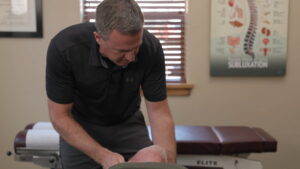
The biggest misconception is that kids get the same adjustment as adults. They don’t. For infants and young children, the pressure used is no more than you’d apply with a fingertip. There’s no twisting, no popping, no drama. For older kids and teens, adjustments are scaled to their size and tolerance – much lighter than a typical adult visit.
Dr. Ridgway uses a combination of hands-on adjustments, instrument-assisted low-force techniques, and soft tissue work depending on the child’s age, size, and what’s going on. The goal is always the same: restore normal alignment and movement, reduce tension, and let the body do what it’s designed to do.
Instrument-Assisted Adjustments for Sensitive Cases
For younger children or kids who are nervous about manual adjustments, instrument-assisted techniques work well. A small handheld device delivers a very light, precise impulse to the target area – no twisting required. Most kids barely notice it, and many find it less intimidating than they expected.
This is also useful for acute injuries where the area is tender and a hands-on adjustment would be uncomfortable. Dr. Ridgway chooses the approach that fits the child, not the other way around.
Common Conditions We Treat in Kids and Teens
Beyond sports injuries, there are a few patterns that show up frequently in younger patients at our Durango clinic.
Backpack-Related Neck and Back Pain
Heavy backpacks carried daily are a real contributor to spinal stress in school-age kids. The weight pulls the spine forward, strains the upper back and neck, and over time can start to shift posture. We see this a lot in older elementary and middle school kids. Adjustments combined with some simple posture awareness go a long way.
Headaches in Adolescents
This one is personal for Dr. Ridgway. He dealt with chronic headaches as a teenager himself, and it was chiropractic care that finally resolved them after medications failed. Cervicogenic headaches – the kind that originate from tension and misalignment in the neck – are common in teens and often mistaken for tension or stress headaches. Spinal adjustments and soft tissue work address the source rather than just managing symptoms.
If your teenager is dealing with recurring headaches, it’s worth having their cervical spine evaluated before assuming medication is the only answer. You can read more about how we approach headache and migraine treatment at our Durango clinic.
Sports Injuries and Overuse
Youth athletes in Durango train hard. Devo riders are logging serious trail miles. Little League pitchers are throwing hundreds of reps a season. Young skiers are taking falls at Purgatory all winter. The repetitive stress and impact from these activities adds up, and kids often push through pain longer than they should because they don’t want to sit out.
Early evaluation and treatment prevents minor issues from becoming chronic ones. Chiropractic care combined with soft tissue work helps kids recover faster and stay in their sport.
Postural Problems from Screens
Forward head posture from phones and tablets is increasingly common in kids and teens. The head shifts forward, the upper back rounds, and the muscles in the back of the neck become chronically strained. Left uncorrected, it tends to get worse through adolescence and into adulthood. Catching it early makes correction significantly easier.
Is Chiropractic Safe for Infants?
Infant chiropractic is something a lot of parents are curious about but hesitant to try. The short answer is yes – when performed by an experienced chiropractor who works with infants regularly, it’s considered safe and gentle.
Dr. Ridgway has treated newborns and very young children throughout his career. The most common reason parents bring infants in is restricted neck movement – often noticed when a baby consistently turns their head to one side, has trouble latching on one side during nursing, or develops a flat spot on one part of the skull from always resting in the same position.
These patterns often trace back to positioning in the womb or the birth process itself. Gentle adjustments can restore normal range of motion, which makes a meaningful difference in how comfortably the infant can move and feed.
What to Expect at Your Child’s First Visit
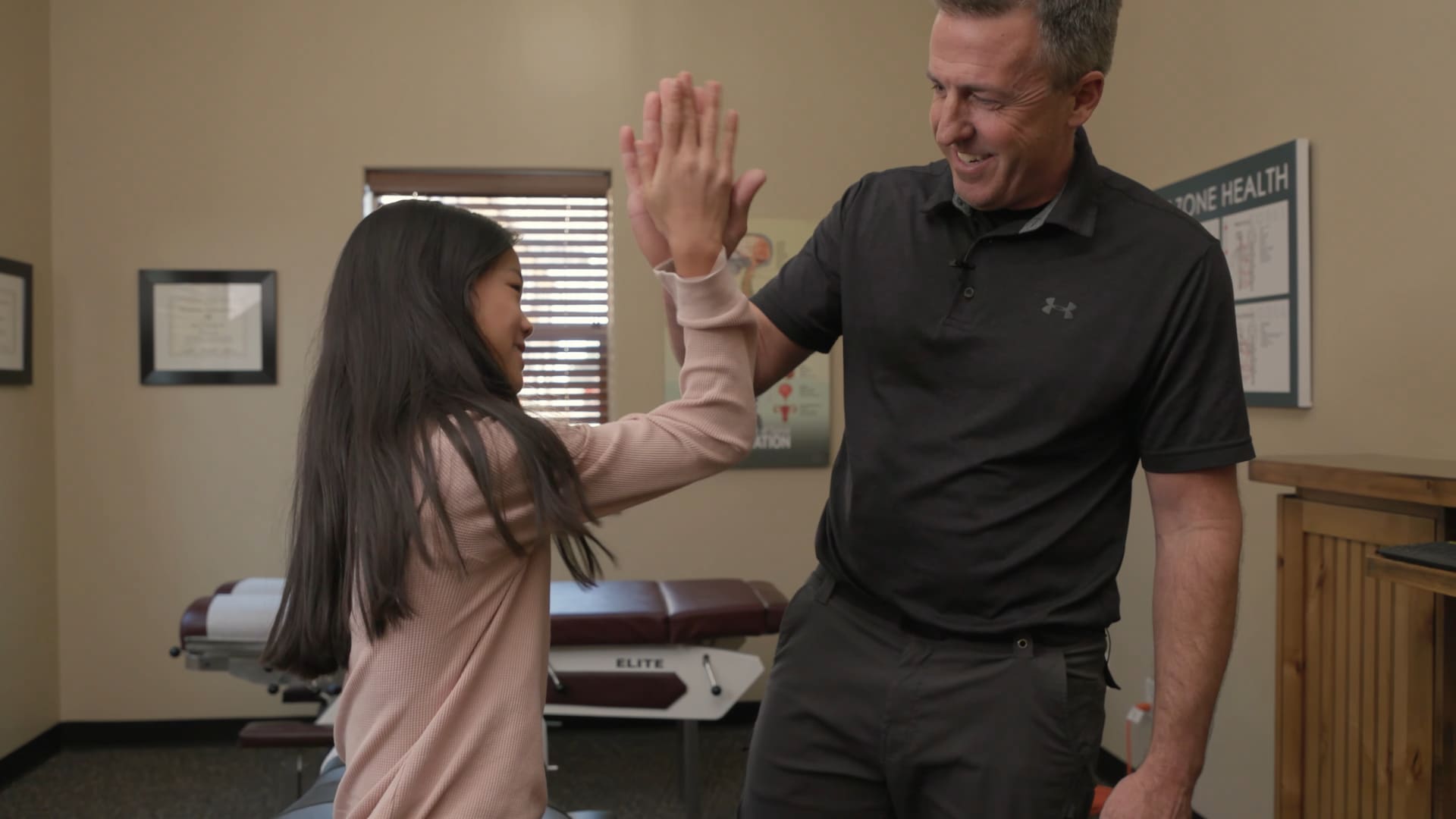
The first visit starts with a conversation – Dr. Ridgway will ask about your child’s history, activity level, symptoms, and any imaging or previous care they’ve had. For younger children, there’s no rush and no pressure. The goal is to make the child comfortable before anything else happens.
The exam is hands-on but gentle. Dr. Ridgway will check spinal alignment, range of motion, and muscle tension, and he’ll explain what he finds in plain language before recommending anything. If your child isn’t a good candidate for chiropractic care, he’ll tell you that too and point you in the right direction.
Parents are with their child throughout the entire visit. That’s just how we do things.
A Note on Multi-Generation Care
It’s not uncommon to see multiple generations of the same Durango family at our clinic. Parents who’ve been patients for years bring their kids in when something comes up. Some of those kids have grown up and now bring their own children. That continuity of care – knowing a family’s history, watching kids grow up healthy and active – is one of the most rewarding parts of practicing here.
Dr. Ridgway is also a father of five and coaches youth sports in the Durango community. He understands what active kids go through, because he sees it at the field and on the trails, not just in the clinic. You can learn more about his background and philosophy on the Dr. Dustin Ridgway bio page.
Frequently Asked Questions
At what age can a child start chiropractic care?
There’s no minimum age. Dr. Ridgway has treated infants just days old. The techniques used are adapted to the child’s age and size – newborn adjustments use fingertip-level pressure, nothing more.
Will my child need ongoing care or just a few visits?
It depends on what’s going on. Acute sports injuries often resolve in a handful of visits. Postural problems or recurring headaches may benefit from a longer care plan. Dr. Ridgway will give you a straightforward recommendation after the first exam – no pressure, no upselling.
Does insurance cover chiropractic care for kids?
In most cases, yes. We accept insurance at our Durango clinic. Call us and we can help you sort out the specifics for your plan.
If you have questions about whether chiropractic care is right for your child, the best next step is a conversation. Reach out to our Durango office or call us at 970-247-5519 to schedule an evaluation.