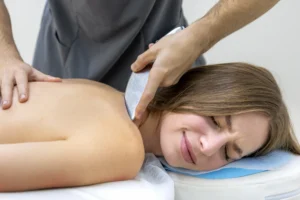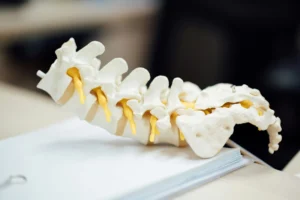
Cupping and scraping (also called IASTM, or instrument-assisted soft tissue mobilization) are two soft tissue techniques that work in opposite ways. Cupping uses suction to lift and decompress tissue, while scraping uses a smooth-edged tool to apply targeted pressure along tight or scarred areas. Both can help ease chronic tightness, improve mobility, and support recovery from old injuries, especially as part of a broader treatment plan. At our Durango clinic, they’re used alongside chiropractic care and other therapies rather than as standalone treatments.
The circular marks left by cupping can make people nervous, and the sight of a metal tool moving across skin looks more aggressive than it is. Here’s what each technique actually does, who it helps most, and what to expect.
Cupping vs. Scraping at a Glance
| Cupping | Scraping (IASTM) | |
|---|---|---|
| How it works | Suction lifts and decompresses tissue | A smooth tool applies targeted pressure along the tissue |
| Best suited for | Broad areas of chronic tightness | Specific areas of restriction or scar tissue |
| What it feels like | A pulling sensation | Firm pressure and friction |
| Common aftereffects | Circular marks that fade in a few days | Temporary redness |
What Cupping Actually Does
Most soft tissue therapies work by compressing tissue. Massage, foam rolling, and instrument work all apply downward pressure into the muscle. Cupping does the opposite. The suction cups lift the tissue upward, creating a decompressive force that’s thought to help separate layers of fascia, muscle, and connective tissue that tend to stick together after overuse, injury, or long periods of immobility.
Those restricted areas can limit movement and contribute to the chronic tightness many active patients describe as “always tight no matter how much I stretch.” Stretching applies tension through the tissue, while cupping’s lifting force works on those restricted areas in a different way.
The marks left behind come from small blood vessels near the surface breaking under the suction, which draws blood toward the skin. They usually aren’t painful after the session and typically fade within a few days.
Research on cupping is still limited, and studies vary in quality, but many patients report less muscle tightness and pain after treatment. That’s why we use it as one tool in a broader plan rather than on its own.
What IASTM Scraping Does
Instrument-assisted soft tissue mobilization uses a smooth-edged metal or hard plastic tool to apply controlled pressure to the soft tissue. The tool helps the clinician detect and treat areas of restriction and scar tissue more precisely than hands alone, because it transmits vibration and resistance as it moves over restricted tissue.
For athletes with chronic soft tissue restrictions, the kind that build up from repeated small strains in training or after incompletely healed injuries, scraping is designed to break up disorganized tissue, boost local blood flow, and trigger a controlled healing response that supports better tissue remodeling. The technique targets the specific location and direction of the restriction rather than working like a general massage stroke.
Who Benefits Most From These Techniques
Cupping and scraping are most useful for specific soft tissue problems rather than every problem. Here’s where they fit most naturally for Durango patients.
Endurance Athletes With Chronic Tightness
Trail runners, cyclists, and multisport athletes who train at high volumes often develop tissue restrictions that build faster than normal recovery can clear. The IT band, the fascia across the lower back, the calves, and the hip flexors are common areas where cupping and scraping can help when foam rolling and stretching have plateaued.
Post-Injury Scar Tissue
After muscle strains, ligament injuries, or surgery, scar tissue forms as part of healing. When that scar tissue is disorganized or excessive, it can restrict movement and cause ongoing pain. Scraping applied after the acute healing phase is designed to help remodel that tissue into more functional, better-aligned tissue. It’s particularly useful for old ankle sprains, shoulder injuries, and hip flexor strains that never quite healed right, which I cover in my post on why old injuries don’t heal fully.
Pre-Adjustment Preparation
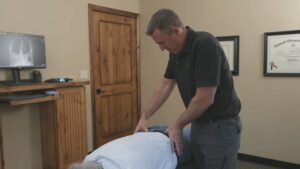
One of the most practical uses at our clinic is preparing tissue before a chiropractic adjustment. Tight, guarded muscles can resist joint mobilization. Releasing that tension first with cupping or scraping can help chiropractic adjustments feel more comfortable and work more effectively, and patients often notice the difference.
Post-Shockwave Recovery
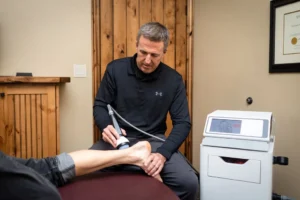
After shockwave therapy stimulates a healing response in a tendon, we sometimes use cupping on the surrounding tissue. The increased local circulation may help ease post-session soreness and support recovery between shockwave treatments.
Pre-Event Preparation
Light scraping and sport-specific soft tissue work before races or big training efforts can help tissue feel looser and more ready to move. Some athletes like it before Durango events like the Iron Horse Bicycle Classic or local trail races.
How These Techniques Fit Into a Full Treatment Plan
Cupping and scraping are tools within a broader approach. At our Durango clinic, they’re part of the sports massage therapy side of care, combined with chiropractic adjustments, dry needling, shockwave, or laser depending on what the full clinical picture calls for.
Having several soft tissue tools matters because different problems respond to different approaches. Dry needling tends to suit deep trigger points, cupping suits broader areas of restriction, and scraping suits localized scar tissue. Matching the tool to the problem, rather than applying one technique to everything, is how we aim for consistent results.
What to Expect During a Session
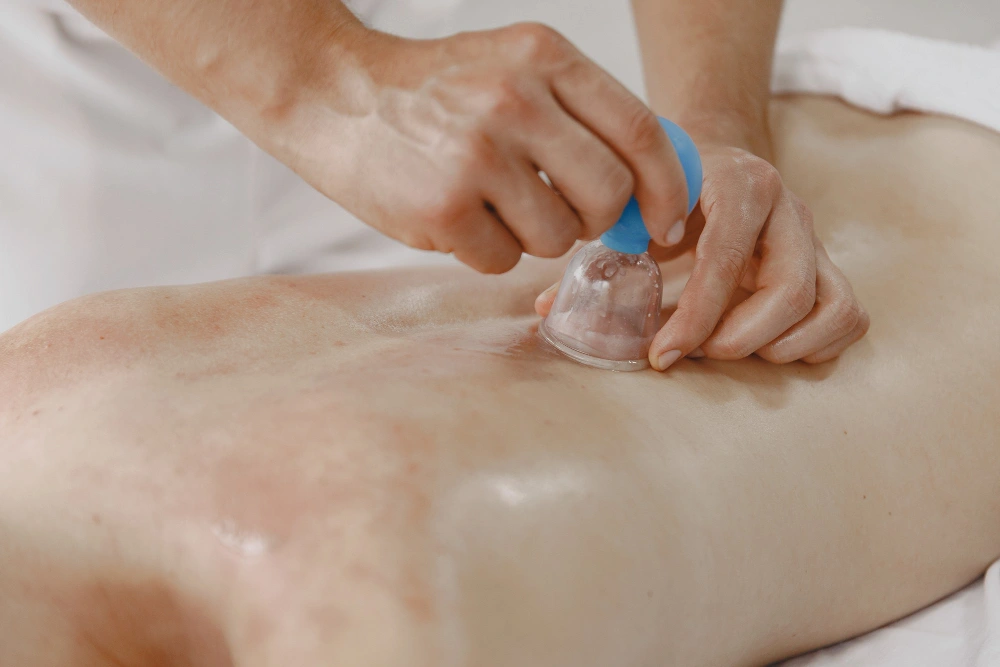
Cupping: Cups are placed on the skin and suction is applied. Most patients feel an unfamiliar pulling sensation that isn’t painful. The cups stay in place for several minutes or are slid along the tissue, depending on the technique. The circular marks that appear are normal and typically fade within three to five days.
Scraping: The tool is applied to the skin with a lubricant and moved in controlled strokes over the restricted area. There’s friction and pressure, so it isn’t a light touch, but it shouldn’t be sharp or severe. Some redness is normal, and treatment focuses on the specific areas found in your assessment.
Both techniques are performed by trained clinicians who understand the anatomy and the right depth and pressure for each area. The goal is always a therapeutic effect, not discomfort for its own sake.
Who Should Avoid Cupping and Scraping
Let us know before treatment if you take blood thinners, have a bleeding disorder, have a history of blood clots, or have open wounds, rashes, sunburn, or fragile skin in the area. These techniques are also avoided over varicose veins and over the abdomen and lower back during pregnancy, and we may modify or skip them depending on your health history.
Frequently Asked Questions
Is cupping the same as what Olympic athletes use?
Yes. The circular marks seen on swimmers and other Olympic athletes come from cupping, and at our clinic it’s used in a sports-specific way alongside other therapies.
Will the marks from cupping be visible?
They will if the area is exposed. They’re circular, usually reddish-purple, aren’t painful to touch after the session, and fade within a few days.
Is scraping painful?
It involves firm pressure and can be uncomfortable over very tight areas or scar tissue. Most patients describe it as intense but tolerable, and it usually gets easier as the restriction releases.
Should I get cupping or scraping?
It depends on the problem. Broad tightness often responds well to cupping, while a specific scar or restricted spot is often better suited to scraping, and many patients get both.
If chronic soft tissue restriction has been limiting your performance or recovery in Durango, reach out to our clinic or call 970-247-5519 to discuss whether cupping or scraping is the right fit for you.