
Gardening and yard work send more people to the chiropractor in spring and early summer than almost any other activity – including trail running and mountain biking. The combination of sustained bending, twisting, kneeling, and lifting in positions the body hasn’t been asked to hold through winter is a reliable recipe for back pain, and Durango is no exception. Most gardening-related back injuries are preventable or quickly treatable with the right approach.
Why Gardening Is Harder on the Back Than It Looks
Gardening doesn’t look like a demanding physical activity. There’s no impact, no speed, no heavy lifting in the conventional sense. But what it does involve is sustained static loading – holding flexed, twisted, or asymmetrical positions for extended periods while the muscles work to stabilize the spine against gravity. That’s a specific kind of demand that deconditioned tissues handle poorly, especially after a winter of reduced activity.
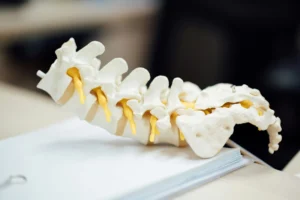
The lumbar spine in a sustained forward bend is under significantly more compressive load than it is standing upright. The posterior disc is stressed, the facet joints are loaded asymmetrically, and the paraspinal muscles are working at a mechanical disadvantage to hold the position. Do that for two hours of spring planting and the back often makes its objections known the next morning.
Twisting while bent forward – reaching across a garden bed, turning to pick something up from a different position – is even more provocative. That combination of flexion and rotation is the movement pattern most associated with disc injuries, and it’s something gardeners do constantly without thinking about it.
The Most Common Gardening Back Injuries We See
Lumbar Muscle Strain
The most common presentation after a day of gardening is diffuse lower back muscle soreness and tightness – the paraspinal muscles have been working hard in sustained positions and have accumulated fatigue and minor microtrauma. For most people, this resolves within a few days with rest and movement. When it doesn’t – when the tightness persists or progresses – it often means trigger points have developed in the paraspinals, quadratus lumborum, or gluteal muscles that won’t release on their own.
Facet Joint Irritation
The small facet joints at the back of each vertebral level are vulnerable to the repetitive bending and twisting of gardening. Sustained flexion loads them in one direction; the extension back to upright compresses them in the other. Facet irritation produces sharp, often unilateral pain that’s typically worse with extension and rotation and tender to direct pressure over the affected joint. It responds quickly to chiropractic adjustment when caught early.
Disc Flare-Ups
For patients who already have some disc degeneration or a prior herniation, a day of heavy gardening can push a disc that was managing into a symptomatic flare. The forward-bend and twist pattern that gardening involves is the most provocative movement for lumbar discs. If back pain after gardening comes with leg pain, numbness, or tingling, that’s nerve root involvement and warrants evaluation rather than waiting for it to settle.
SI Joint Dysfunction
Asymmetrical activities – kneeling on one knee, reaching consistently to one side, carrying loads in one hand – stress the sacroiliac joint through uneven pelvic loading. SI joint dysfunction from gardening presents as pain at the base of the spine on one side, often with referral into the buttock, and is typically provoked by single-leg loading and transitions from sitting to standing.
How We Treat Gardening-Related Back Pain
Treatment depends on what’s actually going on – which is why an exam matters rather than assuming all gardening back pain is the same. That said, the most common combination we use for acute gardening injuries is straightforward.
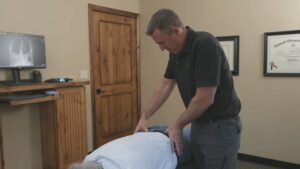
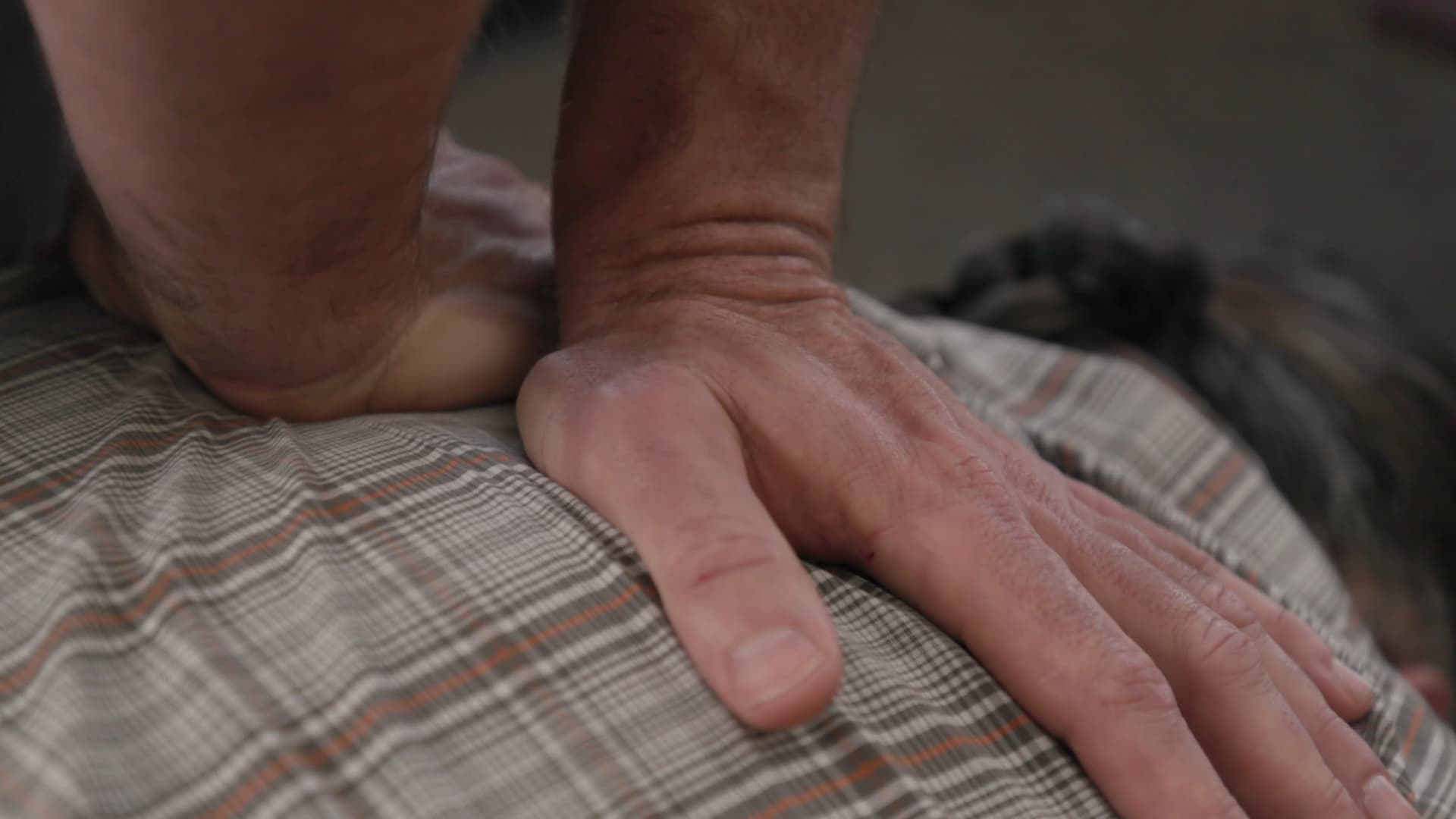
Chiropractic adjustments restore normal mobility to the restricted or irritated facet joints and SI joint – addressing the mechanical component of the pain quickly. Most patients feel meaningful improvement after the first visit for acute presentations.
Dry needling addresses the trigger points in the paraspinals, quadratus lumborum, and glutes that accompany almost every significant gardening back injury. These trigger points maintain pain and guarding even after the joint has been adjusted, and they don’t reliably release without direct treatment. For patients whose back tightness lingers for more than a few days after gardening, trigger point involvement is almost always part of the picture.
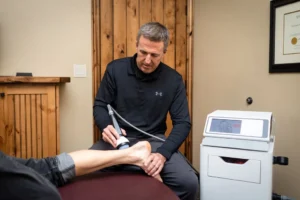
For more significant flare-ups with disc involvement, laser therapy reduces the disc-related inflammation and nerve irritation, and spinal decompression addresses the disc directly when nerve symptoms are present.
You can read more about how we approach back pain treatment at our Durango clinic for a broader picture of what’s involved.
How to Protect Your Back During Gardening Season
A few practical adjustments to how you approach gardening make a significant difference in how the back responds afterward.
Change Positions Frequently
Sustained static positions – kneeling in one spot for 45 minutes, bent forward over a bed for an hour – are harder on the spine than the same amount of work done with regular position changes. Set a timer if you need to. Standing up, walking a few steps, and briefly extending the spine every 15-20 minutes interrupts the sustained loading pattern that drives most gardening back injuries.
Mind the Bend-and-Twist
When picking something up or moving material, square your body to the task rather than reaching across. Bend at the hips and knees rather than rounding the lower back. Turn your feet to face what you’re lifting rather than twisting at the waist while bent. These aren’t complicated techniques – they’re just habits that take a few seasons of gardening to build.
Warm Up Before Heavy Sessions
Five minutes of gentle movement before a long gardening session – hip circles, gentle spinal rotation, a short walk – gets the joints and muscles ready for the work ahead. Cold tissues going directly into sustained bent positions are more vulnerable than warmed ones.
Build Into It at the Start of the Season
The worst gardening injuries happen on the first ambitious spring day – the one where the whole winter’s worth of yard work gets attacked at once. Starting with shorter sessions and building duration across the first few weeks of spring gives the tissues time to adapt to the demands of the season.
When to Come In vs. When to Rest
Mild post-gardening muscle soreness that resolves within 48 hours is normal. What warrants evaluation is pain that’s still significant after 3-4 days, pain that’s one-sided and sharp rather than diffuse and muscular, pain that’s getting worse rather than better, or any pain accompanied by leg symptoms. Getting treatment early – before the injury becomes chronic – consistently produces faster outcomes than waiting several weeks to see if it resolves on its own.
Frequently Asked Questions
I threw my back out gardening. How quickly can I get in?
We accommodate acute injuries as quickly as possible. Call us at 970-247-5519 and we’ll get you in as soon as we can. For acute back injuries, earlier treatment shortens recovery significantly.
Should I apply heat or ice after gardening back pain?
Ice for the first 24-48 hours on acutely inflamed areas. Heat for muscle tension and stiffness after the initial acute phase has settled. When in doubt, ice is the safer choice in the first day or two.
I get this every spring. Is there anything I can do to prevent it?
Yes – a pre-season evaluation to identify any spinal restrictions or muscle imbalances that are making you vulnerable, combined with the movement habits described above, significantly reduces the recurrence rate. Recurring seasonal back pain from the same activity pattern is a signal that something structural is worth addressing before the season starts.
If gardening has taken a toll on your back in Durango, schedule an evaluation at our clinic or call 970-247-5519.