
Whiplash injuries from car accidents are commonly undertreated in the days and weeks after the collision – partly because symptoms often don’t peak until 24-72 hours after impact, and partly because the adrenaline of the accident masks how significant the injury actually is. Getting a proper evaluation early, before the soft tissue inflammation fully sets in and before compensatory patterns develop, consistently produces better outcomes than waiting to see if it resolves on its own. If you’ve been in a car accident in Durango and your neck or upper back is bothering you, sooner is better.
What Whiplash Actually Does to the Neck
Whiplash is a mechanism of injury, not a single diagnosis. When a vehicle is struck from behind or from the side, the head and neck are thrown rapidly in one direction and then snapped back in the other. That acceleration-deceleration sequence can exceed the normal range of motion of the cervical spine in a fraction of a second – faster than the muscles can protect the joints.
The result is a combination of injuries that vary in severity depending on the speed of impact, the position of the head at the time, and whether the occupant was braced for the collision. Cervical ligament sprains and muscle strains are the most common findings. Disc injuries – herniations or annular tears at the cervical levels – occur in more significant impacts. Facet joint injuries, where the small paired joints in the back of the cervical spine are compressed or sheared, are common and often missed in standard emergency evaluations that focus primarily on ruling out fracture.
The delayed onset of symptoms is one of the most confusing aspects of whiplash for patients. Feeling relatively okay at the scene and waking up with significant neck stiffness, headache, and shoulder pain the next morning is completely normal with this injury pattern. It doesn’t mean the injury is minor – it means the inflammatory response takes time to fully develop.
Common Whiplash Symptoms to Know
The classic presentation includes neck pain and stiffness, reduced range of motion, headaches originating from the base of the skull, and upper shoulder and interscapular pain. But whiplash can also produce less obvious symptoms that patients sometimes don’t connect to the accident: jaw pain from TMJ involvement, dizziness or balance disturbance from upper cervical proprioceptive disruption, arm tingling or numbness from nerve root irritation, and cognitive fog or concentration difficulty in more significant injuries.
If you’re experiencing any combination of these symptoms after a collision – even a low-speed one – it’s worth getting evaluated. The severity of vehicle damage is a poor predictor of soft tissue injury severity. Low-speed impacts can produce significant cervical soft tissue injuries, particularly when the occupant was unaware of the impending collision and the neck musculature wasn’t braced.
Why Early Treatment Matters
The window between injury and the development of chronic compensatory patterns is the most important treatment period for whiplash. In the first days and weeks after the accident, the cervical joints and soft tissue are injured but haven’t yet adapted to a compensated movement pattern. Restoring normal joint mobility and addressing the soft tissue damage during this window prevents the chronic stiffness, trigger point development, and postural changes that make whiplash injuries so much harder to treat when they become long-standing.
Patients who wait weeks or months before seeking treatment often find that by the time they come in, multiple compensatory patterns have developed – the neck is guarding, the upper trapezius is chronically contracted, the cervical joints have stiffened into restricted positions – and unraveling all of that takes significantly longer than addressing the original injury early.
How We Treat Whiplash at Our Durango Clinic
Whiplash treatment at our clinic is calibrated to the stage of healing and the severity of the injury. Acute presentations – the first few weeks after the accident – are handled differently from subacute or chronic presentations.
Laser Therapy for Acute Inflammation
In the acute phase, when inflammation is at its peak and the tissue is most sensitive, our 30-watt Class IV K-Laser is the primary tool. Laser therapy reduces inflammation at the cellular level, supports tissue repair in the damaged ligaments and muscles, and reduces nerve irritation – all without injections or medication. For acutely painful whiplash presentations, laser therapy in the first few visits often brings pain levels down enough to allow the hands-on work to begin.
Gentle Chiropractic Adjustments
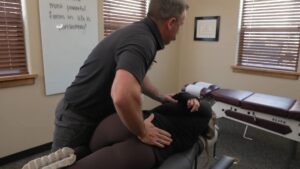
Once the acute inflammation has settled enough to allow hands-on work, chiropractic adjustments restore mobility to the restricted cervical segments. In acute whiplash, instrument-assisted low-force techniques are typically used first – they restore joint motion without the rotational force of standard manipulation, which can be uncomfortable in a recently injured neck. As the tissue heals and guarding reduces, the approach progresses accordingly.
Restoring normal cervical joint mobility is critical for preventing the chronic stiffness that develops when injured joints are left restricted. The cervical spine adapts quickly to limited range of motion – getting the joints moving again early is one of the most important things treatment can accomplish.
Dry Needling for Muscle Guarding and Trigger Points
The upper trapezius, levator scapulae, suboccipital muscles, and sternocleidomastoid all develop significant trigger points in response to whiplash injury. These trigger points cause referred pain into the head and shoulder, maintain protective muscle guarding that limits recovery, and often persist long after the original tissue injury has healed – which is why some whiplash patients continue to have symptoms for months even when their imaging looks normal.
Dry needling with microvolt e-stim releases those trigger points directly and is one of the most effective tools for breaking the chronic tension cycle that develops after whiplash. For patients whose symptoms have become long-standing, needling is often the piece that finally produces meaningful change after other treatments have plateaued.
Decompression for Disc-Related Whiplash Symptoms
When whiplash produces cervical disc involvement – herniations or annular tears that result in arm pain, tingling, or numbness – cervical spinal decompression using the DRX9000 addresses the disc component directly. The computerized traction creates negative intradiscal pressure that helps retract disc material and relieve nerve root compression – the same mechanism used for lumbar disc problems, applied to the cervical spine.
Documentation and Insurance
Whiplash injuries from motor vehicle accidents are typically covered by auto insurance, regardless of fault in most states. Colorado operates under a tort system, meaning the at-fault driver’s liability insurance covers treatment costs. Dr. Ridgway maintains thorough clinical documentation of whiplash cases – examination findings, functional limitations, treatment progress – which is important for insurance claims and any legal proceedings that may follow the accident.
If you’re uncertain about insurance coverage or have questions about how to proceed after an accident, call our office directly at 970-247-5519 and we’ll help you sort through the practical questions before your first visit.
Frequently Asked Questions
How soon after a car accident should I come in?
As soon as possible – ideally within the first 2-3 days after the accident. Even if symptoms are mild initially, getting an evaluation establishes a baseline and allows treatment to begin before the inflammatory response peaks and before compensatory patterns develop.
My accident was minor and I don’t have much pain. Do I still need to be seen?
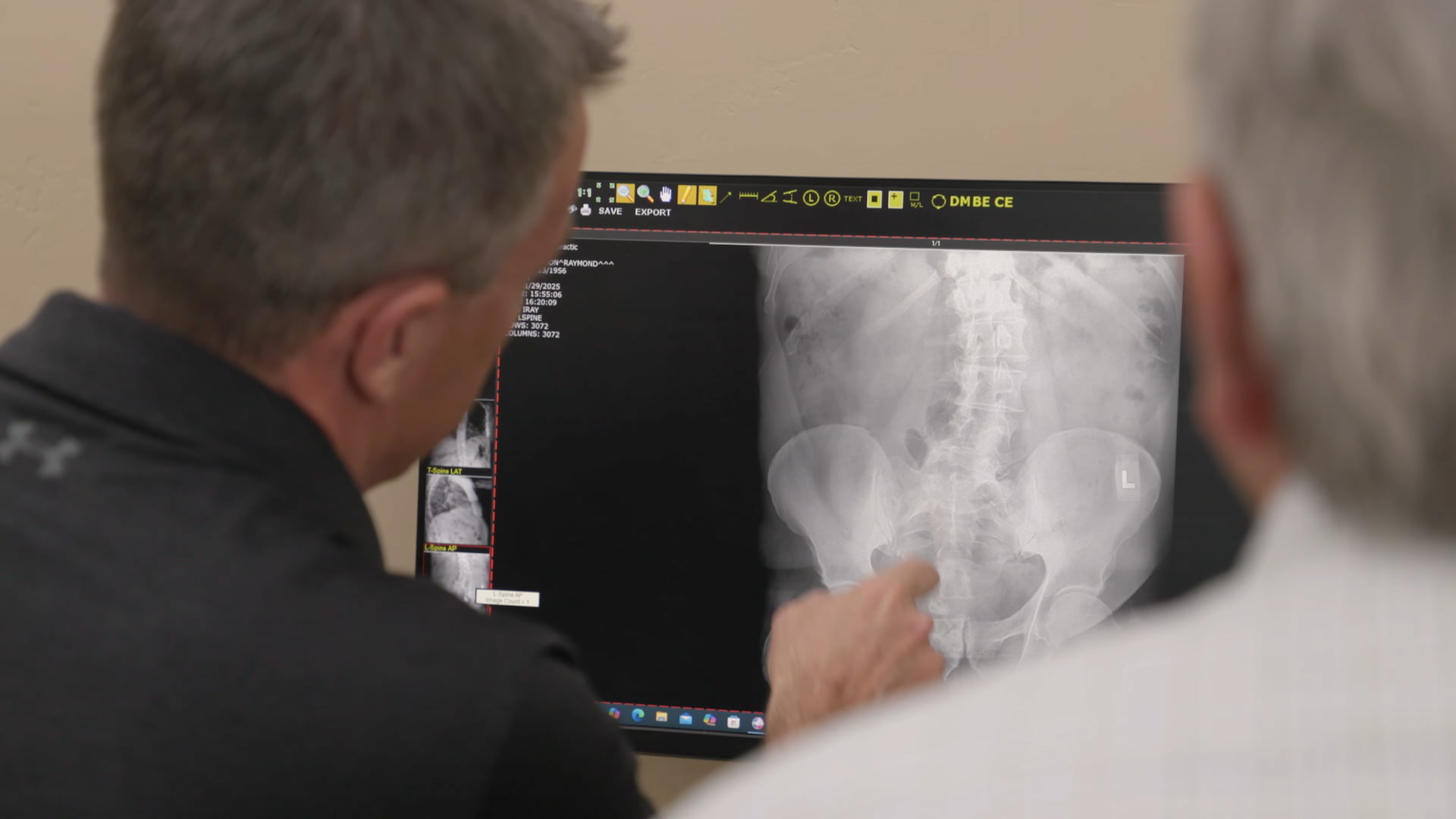
It’s worth getting evaluated. Symptom severity in the first 24 hours is not a reliable indicator of injury severity with whiplash. A brief evaluation to assess cervical joint mobility, soft tissue integrity, and neurological function takes little time and gives you accurate information about whether treatment is needed.
I had whiplash months ago and it never fully resolved. Is it too late to treat?
No. Chronic whiplash – symptoms that have persisted for months or longer – responds to treatment, though the approach and timeline differ from acute cases. The accumulated trigger points and restricted joints that develop in chronic whiplash can be addressed, and most patients see meaningful improvement even when the injury is old.
If you’ve been in a car accident in Durango and your neck isn’t right, schedule an evaluation at our clinic or call 970-247-5519 to come in as soon as possible.