Dry needling and massage both address muscle pain and tension, but they work differently and suit different problems. Massage works broadly across muscle tissue to improve circulation, reduce general tension, and aid recovery. Dry needling targets specific, stubborn trigger points with a thin needle to release knots that massage can’t fully reach. For diffuse tightness and recovery, massage often fits best; for a persistent, localized knot that won’t let go, dry needling is usually the more direct tool.
How Massage Works
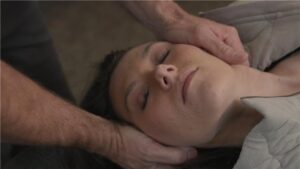
Massage therapy uses hands-on pressure, kneading, and manipulation of the soft tissue to improve blood flow, relax muscle tension, and break up superficial adhesions. It works across a broad area, which makes it well suited to general tightness, overall muscle fatigue, and recovery after hard activity.
For active people, massage is valuable for flushing out tired muscles after a big effort, easing widespread tension, and keeping the soft tissue supple. At our clinic, sports massage therapy also includes techniques like cupping and scraping that address fascial restrictions – our post on cupping and scraping goes into how those work.
Where massage has limits is depth and specificity. A deep trigger point buried in a muscle – a tight, hyperirritable knot that refers pain elsewhere – can be difficult to fully release through surface pressure alone, especially in deeper muscles that hands can’t easily reach.
How Dry Needling Works
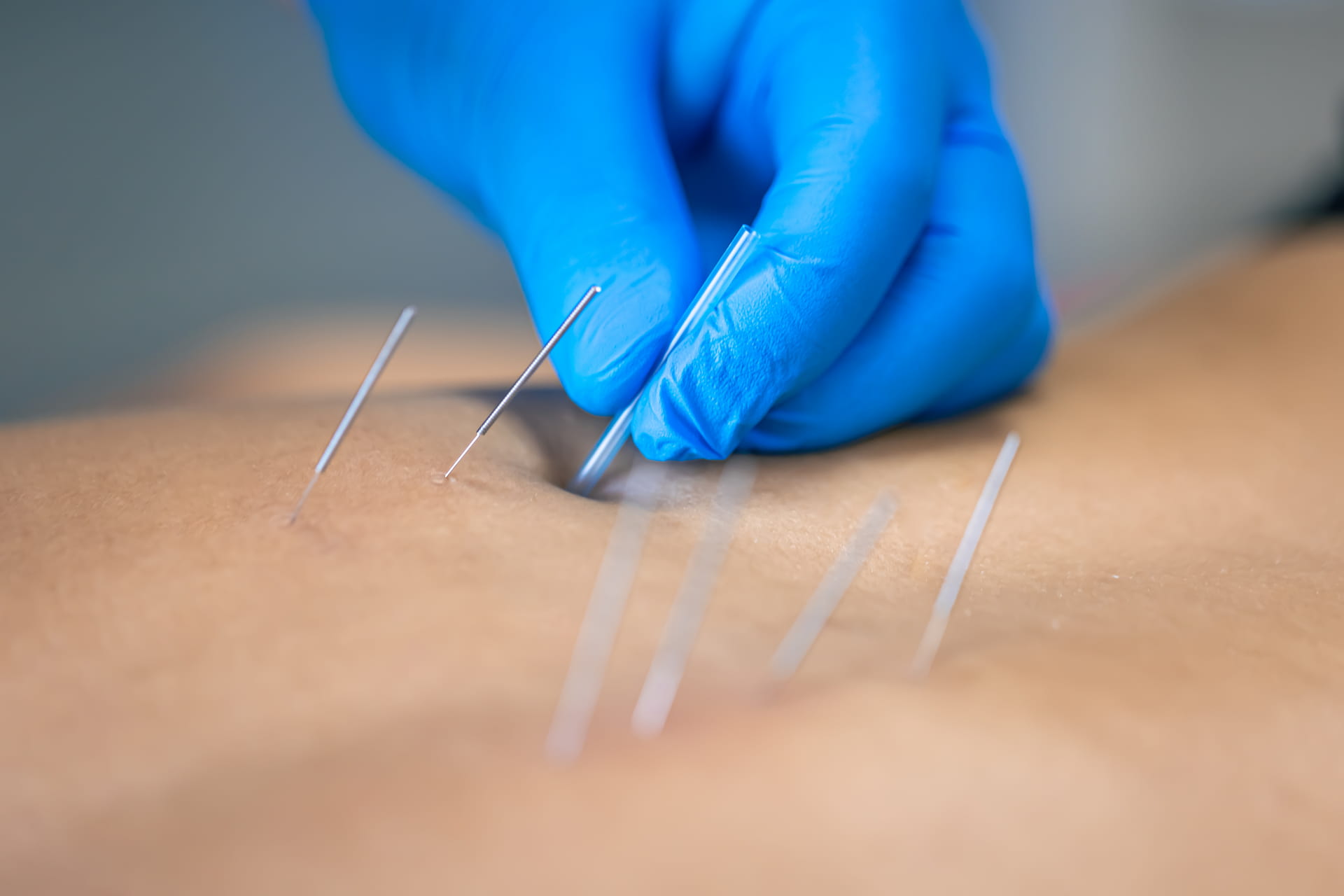
Dry needling takes a different, more targeted approach. A thin filiform needle is inserted directly into a specific trigger point within the muscle. When the needle contacts the trigger point, it often produces a brief twitch response, which signals the knot releasing. This directly resets the tight band of muscle in a way that external pressure struggles to replicate.
At our Durango clinic, dry needling is enhanced with microvolt electrical stimulation, which improves the trigger point response and muscle relaxation beyond mechanical needling alone. The big advantage of needling is that it reaches deep trigger points that hands simply can’t access, and it treats the specific source of the problem rather than the general area.
One important clarification: dry needling is not acupuncture. It targets muscle trigger points based on anatomy and biomechanics, not the meridian system of traditional Chinese medicine. Our post on dry needling versus acupuncture covers that distinction in detail.
The Key Differences Side by Side
Massage is broad, dry needling is specific. Massage works across a region of muscle; needling targets one precise point. Massage stays at the surface and mid-depth through hands-on pressure; needling reaches deep structures directly. Massage is relaxing and good for overall recovery; needling is more targeted and better for a specific stubborn knot. Massage feels soothing; needling feels different – a brief twitch or ache as the trigger point releases, which most people tolerate well.
Neither is better in the abstract. They’re suited to different jobs.
Which One Does Your Body Actually Need?
Choose Massage When…
Massage tends to be the better fit when your tension is diffuse rather than pinpointed, when you’re recovering from a hard training block and want to flush and loosen tired muscles, when you’re managing general stress-related tightness, or when you want a maintenance approach that keeps the soft tissue healthy. For endurance athletes in Durango managing the cumulative load of high-volume training, regular massage is a genuine recovery tool.
Choose Dry Needling When…
Dry needling tends to be the better fit when you have a specific, persistent knot that won’t release, when the pain is being referred from a trigger point to another location, when the problem is in a deep muscle that massage can’t reach effectively, or when you’ve tried massage and stretching without resolving a stubborn spot. For focused trigger point problems – a locked-up TFL driving IT band pain, a piriformis irritating the sciatic nerve, deep neck muscles causing headaches – needling is often the more direct route.
Why We Often Use Both Together
The most effective approach frequently combines the two rather than choosing one. In practice, that might mean using massage to loosen the broader region and improve circulation, then dry needling to release the specific trigger points that remain. The massage prepares the tissue and addresses the general tension; the needling targets the stubborn points that are the actual source.
Dr. Ridgway uses combination protocols regularly – needling followed by other therapies, or soft tissue work paired with adjustments – because muscle problems rarely fit neatly into a single-treatment box. The right mix depends on what the exam reveals about your specific situation, which is why the plan is built around you rather than applied off a template.
This is part of the broader multi-therapy approach at our clinic, where chiropractic care, dry needling, massage, and other therapies are combined for better outcomes than any single method delivers alone.
Frequently Asked Questions
Does dry needling hurt more than massage?
It’s a different sensation. Massage is generally soothing, while dry needling can produce a brief twitch or deep ache as the trigger point releases. Most people find it very tolerable, and the sensation is short-lived. Some describe a mild residual soreness afterward, similar to post-workout muscle soreness.
Can I do both massage and dry needling?
Yes, and they often work well together. Massage addresses broad tension and circulation while dry needling targets specific trigger points. Combining them can be more effective than either alone, depending on your situation.
Which is better for sports recovery?
For general recovery and flushing tired muscles after training, massage is typically the go-to. For a specific problem area or a persistent knot interfering with performance, dry needling is more targeted. Many athletes use both at different points in their training cycle.
If you’re not sure which approach fits your muscle pain, schedule an evaluation at our Durango clinic or call 970-247-5519 and we’ll help you figure it out.